The Symposium took place on Friday April 24, 2020, in the Graduate Center Library from 10:00am-4:00pm.
In recent years, there has been increasingly widespread, international attention to “open” in its many forms across the scholarly landscape: open access publishing, open educational resources, open data, and more. From this vantage point, we can collectively begin to look towards securing the future of “open,” with alternatives to commercialized educational content and scholarly publishing more imaginable than ever before.
Towards an Open Future | 2020 Symposium seeks to put the theoretical framework of “open” in direct conversation with its widespread praxis. We seek to interrogate the terminology and impact of open education, open scholarship, and open pedagogy through a lens that is expansive and inclusive, bringing in considerations of labor, representation, decolonial perspectives, and critical pedagogies. On the large scale as well as in the smallest iteration, who decides what “open” looks like? How do we begin to hold definitions for terms that contain a shifting body of knowledge? Open for what purpose, and open for whom?
Opening Keynote Address:
Audrey Watters is a writer and independent scholar who focuses on education technology – its politics and its pedagogical implications. She has written for The Baffler, The Atlantic, Vice, Edutopia, Hybrid Pedagogy, Inside Higher Ed, The School Library Journal, and elsewhere across the Web, but she is best known for her work on her own website Hack Education. Audrey has given keynotes and presentations on education technology around the world and is the author of several books, including The Monsters of Education Technology, The Revenge of the Monsters of Education Technology, The Curse of the Monsters of Education Technology, The Monsters of Education Technology 4, and Claim Your Domain. She is currently at work on her next book, Teaching Machines, which will be published by MIT Press. Audrey was a recipient of the Spencer Education Journalism Fellowship at Columbia University for the 2017–2018 academic year.
Closing Keynote Address:
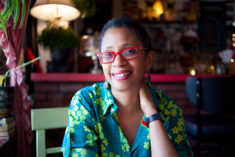
Walis Johnson is an interdisciplinary artist/filmmaker whose work documents the experience and poetics of the urban landscape through oral history, ethnographic film, and artist walking practices. She is particularly interested in the intersection of documentary film, performance and socially engaged art. Walis explores hidden fissures of culture and history that upend our understanding of the political, economic and cultural structures we use to define the American condition and ourselves. Her practice consists of multiple works grouped around specific themes and meanings. Discussions that emerge are expansive, open-ended and grow richer over time. Her current work – The Red Line Archive Project – activates conversations about the personal and political affects of redlining using her own family story growing up in Brooklyn.
Presenter bios:
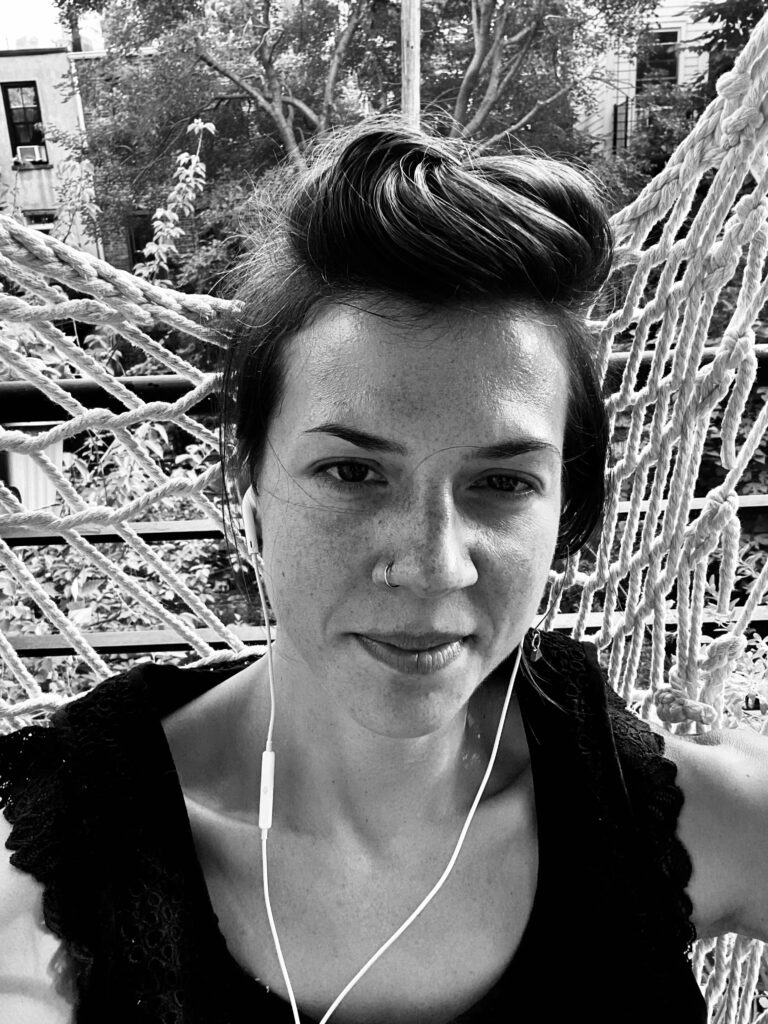
Nora Almeida is a librarian and assistant professor at the New York City College of Technology. She researches and writes about neoliberalism, labor, information production, critical pedagogy, performance, and social movements. She’s on twitter @nora_almeida.
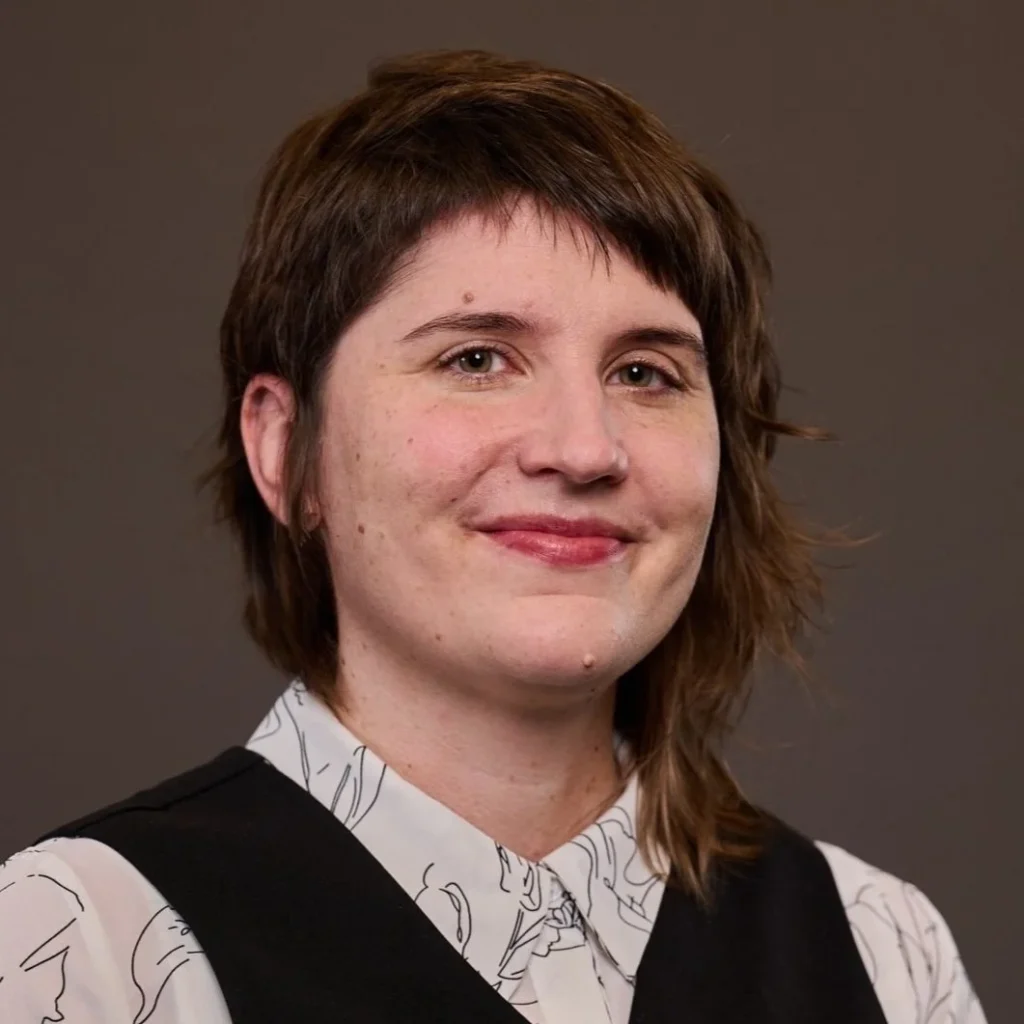
Megan Wacha advances equitable access to information and publishing systems through their dual roles in libraries and the Wikimedia movement. As the Scholarly Communications Librarian in CUNY’s Office of Library Services, they lead CUNY libraries in the development and management of CUNY’s institutional repository, Academic Works. Megan also serves as President of Wikimedia NYC, a volunteer run non-profit that connects New Yorkers and New York institutions with Wikipedia, Wikimedia, and the larger free culture movement.
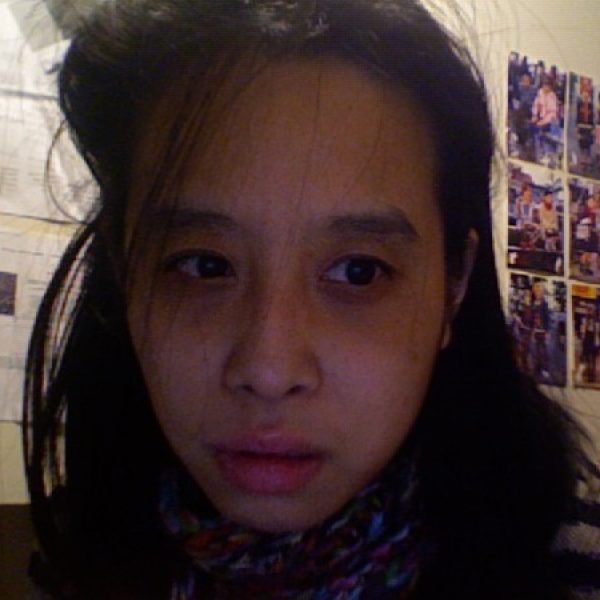
Andrea Liu is a New York/Berlin-based visual art and cultural critic (and artist). She has given talks/panels at Yale University Whitney Humanities Center, Geffen Museum (Los Angeles),Sculpture Center, Printed Matter, NYU Performance Studies Conference (Affect Factory), MASS MoCA (Massachusetts Museum of Contemporary Art), Black Mountain College Museum, Centre for Postdigital Cultures (UK), Royal Holloway Central School of Speech and Drama (UK), London Conference in Critical Thought, College Art Association Conference, Society for Artistic Research Conference (UK), amongst others.
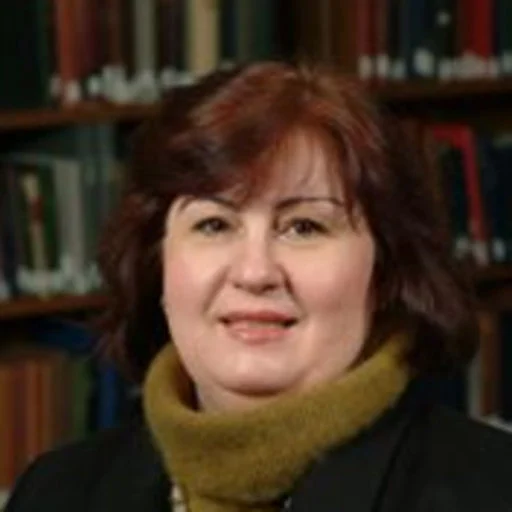
Stefka Tzanova is the Science Librarian at York College. Her research interests include STEM, science literacy, open science and open educational resources, history of science and technology, scholarly communications, and institutional repositories as continuum of open access. She serves as OER coordinator and Academic Works coordinator at her campus. Prior to working at CUNY, Stefka Tzanova has worked at the Engineering Reference Desk at Columbia University.

