winter 2023
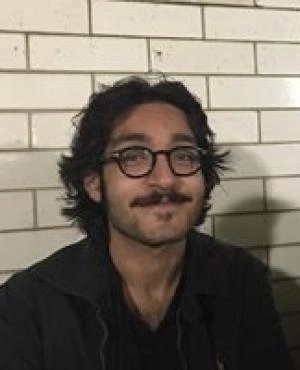
Abdullah Ali Jawad (he/him) is a PhD student in cultural anthropology at the CUNY Graduate Center. He studies the structural changes in Pakistan’s political economy, specifically looking at the political implications and historical antecedents of how the emergent ‘tech ecosystem’ imagines economic progress and moral enhancement. He has an MA(Hons) in International Relations from The University of Edinburgh, and an MA in Intensive South Asian Studies from SOAS, University of London.
Course site: Introduction to Cultural Anthropology
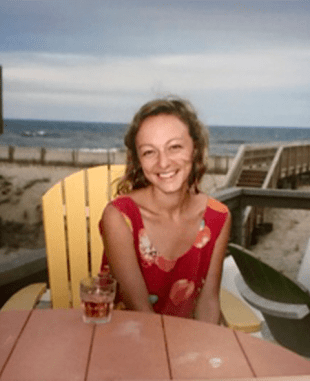
Alicen M. Marie is a freelance translator and doctoral candidate in French at the CUNY Graduate Center, where she is also pursuing certificates in Translation Theory and in Women’s & Gender Studies. Her research interests include translation studies, late twentieth century and contemporary fiction, the contemporary fantastic, and the aesthetics of globalization. She has participated in conferences at the CUNY Graduate Center, SUNY Buffalo, and the African Literature Association.
Course site: French 1001 : Elementary French I
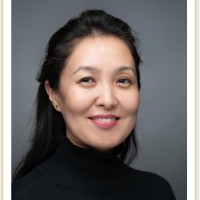
Ariunsanaa Bagaajav is a sixth-year social welfare doctoral student working on her dissertation titled “Recognizing elder abuse in Mongolia: Experiences of Family Physicians”. She is also an adjunct lecturer at York College, CUNY. Before joining the doctoral program, she was a full-time faculty member at the Mongolian National University of Medical Sciences.
Course site: HE211: Stress and Health

Avinash Jairam is a computer scientist and machine learning engineer with deep expertise in full-stack development, cloud infrastructure, and applied artificial intelligence. He currently leads the design and development of both software systems and AI solutions at the Center for Cybercrime Studies at John Jay College, where he builds tools that support digital forensic research and criminal justice investigations.
Course site: Programming For Analytics
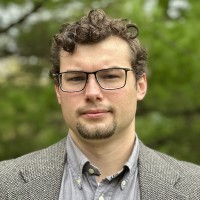
Benjamin John Diehl holds a PhD in Modern European History and is currently Adjunct Assistant Professor of History at City College of New York. Previously, he has taught Modern History, among other subjects, in his capacity as Adjunct Lecturer at Pratt Institute, Marist College, SUNY New Paltz, and CUNY Baruch College. His academic interests include European Modernity, intellectual and cultural history, the history of psychology and other human sciences, mass media and propaganda, technocracy and the state, psyops and colonial psychology. Before entering his doctoral studies, Benjamin studied European History, Politics, and Society (MA) at Columbia University’s European Institute, and International Relations (BA) at the College at Geneseo, State University of New York (SUNY).
Course site: History 206: Modern Europe
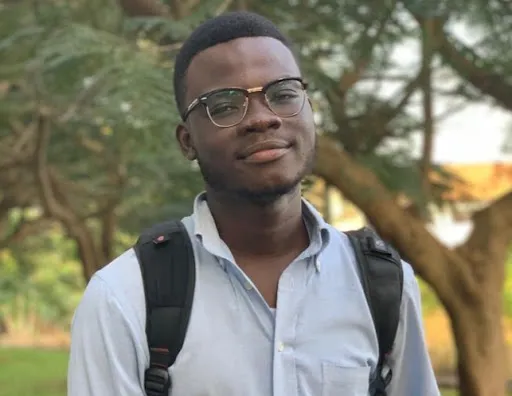
Daniel Okpattah is a PhD Biochemistry student at the Graduate Center. His research focus is studying the role of serotonin receptors in cancer. He is also an adjunct lecturer at Hunter College teaching General Chemistry 106.
Course site: General Chemistry 106
Reflection post: Teaching General Chemistry with Open Resources

Daniela Moraes Traldi is a historian of Latin America and Women’s and Gender History. She holds a PhD in History (CUNY Graduate Center), an MA/ MPhil in History (CUNY Graduate Center), an MSc in the History of International Relations (London School of Economics and Political Science), an International Diploma in Humanitarian Assistance (Fordham University) and a bachelor’s degree in journalism (FIAM Brazil).
Traldi’s research focuses on the intersection of gender, race, politics, and religion in twentieth century Brazil. Her history-based scholarship primarily seeks to advance a deepened understanding of the rise of the far-right across the globe. In her doctoral project, Traldi traced Integralismo, the Brazilian variant of the transnationally linked fascist movements of the 1920s-1940s – and how its members consistently embedded themselves in and merged with crucial elite political circles over the succeeding decades through subtle and sophisticated use of gendered and racialized narratives. Brazilian far-right women started controlling sites of “soft power” like fashion, philanthropy, and lay Catholic associations, also becoming top social influencers and political agents who paved the way for the “survival” of local fascism after the mid-1940s.
Course site: Women and Gender in Latin America and the Caribbean
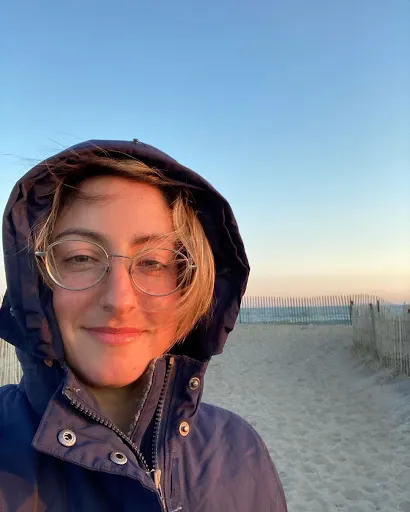
Filipa Calado is a PhD Candidate in the English Program at the CUNY Graduate Center. Her dissertation explores how digital methods and tools can be used with Queer Theory frameworks to study literature. She teaches courses on Coding Natural Language, Data Science, Digital Humanities, and Critical Thinking at CUNY, The New School, and NYU.
Course site: Foundations of Data Science
Reflection post: Teaching Data Science with Open Resources
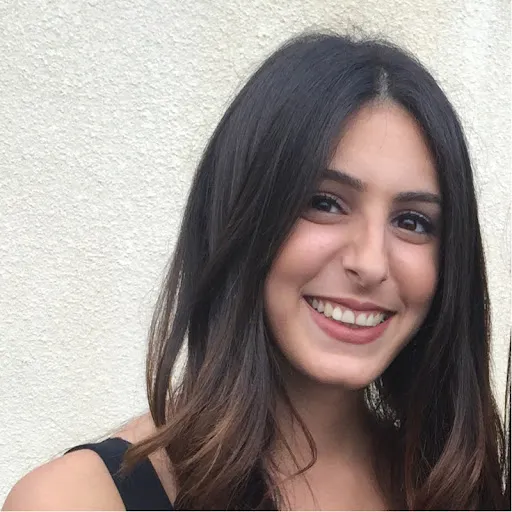
Ghenwa Antonios is a doctoral student in Comparative Literature at the Graduate Center and an instructor of Writing and Composition at Baruch College. She has a BA and an MA in English Literature from the American University of Beirut.
Course site: ENGL 2100
Reflection post: Teaching English with Open Resources
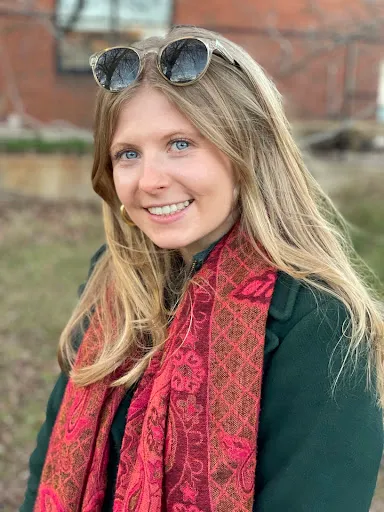
Katie Williams is an English PhD student and Open Knowledge Fellow at the CUNY Graduate Center, focusing on spiritual and somatic communion in the Victorian Novel. Her research examines the intersection of disability studies, feminist theory, religion and care. Her work has been published in Dickens Studies Annual and is forthcoming in MLA. Katie has served as the editorial assistant for Clues: A Journal of Detection and teaches English Composition and Nineteenth Century Literature at Brooklyn College. She is a recipient of the Graduate Center 2023 Teaching Citation Award.
Course site: Engl 1012: Writing Body-Minds Disability & Memoir
Reflection post: What Counts as Knowledge…and Who Is It For?
Labanya Unni is a PhD student at the Graduate Center, CUNY. Her research examines key works of translation, literary historiography, and critical meta-texts around the time of Indian Independence (1935-1989), and the different social, cultural, and ideological practices and discontinuities that go into the theorization of a new nation. Her interests include Indian history and historiography, postcolonial studies, Marxism, critical theory. She holds a master’s and MPhil degree from Delhi University, and presently teaches at Queens College.
Course site: Literature and Place: Real and Imagined Topographies in the 19th century Victorian Novel
Since Marlen Acosta Alamo was a child, she has been amazed by the way nature maintains perfectly balanced relationships among all its elements and how diverse natural systems are. As she grew up, she became concerned about the indiscriminate use of natural resources and how little is done to preserve Earth’s biodiversity. Her passion for conservation led me on my path of studying natural communities and the impact that anthropogenic changes have on them.
She completed my B.Sc. at the University of Havana, Cuba. Currently, I reside in New York City, where I completed my Master’s and my Ph.D. in Biology, both at The City University of New York.
Since graduating from the University of Havana, I have dedicated part of my academic career to teaching a wide variety of biology subjects. Sharing my knowledge and helping students succeed in their professional lives is a rewarding experience for me.
Course site: BioStatistics
Miranda Strominger is a doctoral candidate in geography at the CUNY Graduate Center. Her research focuses on the material social histories and afterlives of land and housing struggles. She teaches graduate and undergraduate courses on urban geography, field research, and decommodified housing in the Urban Policy & Planning programs at Hunter College and serves as deputy managing editor at Metropolitics. Miranda holds an MA and BA from Stanford University and is a graduate of the Coro Fellows Program in Public Affairs.
Noelle Mapes is an Urban Education Ph.D student at The Graduate Center, CUNY. As a third-grade teacher, she learns daily alongside hilarious, creative kids who like to ask big questions and think critically about power structures. Her research interests are centered around education history and education policy. She’s seeking to further develop her own “big questions” around integration policies, school funding, and the ways these elements of education serve us and fail us.
Course site: Children in Crisis | CHST 3610
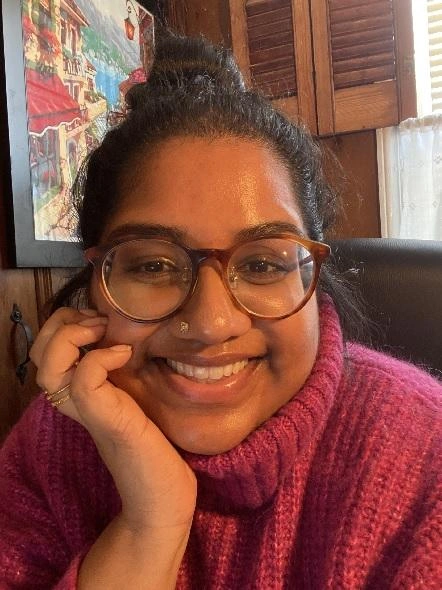
Rani Srinivasan (she/her) is an English Ph.D. student at the CUNY Graduate Center and an adjunct lecturer at Queens College and Lehman College CUNY. She did her BA and MA at Queens College with a focus on postcolonial theory and South Asian literature. As a Ph.D. student, her interests have grown to include writing studies and pedagogy. Now, her work is centered on mapping the influence of colonial education systems on bureaucracies like public universities. She is also interested in the ways bureaucracies are responding to, incorporating, and resisting AI technologies.
Course site: English 130: College Composition II
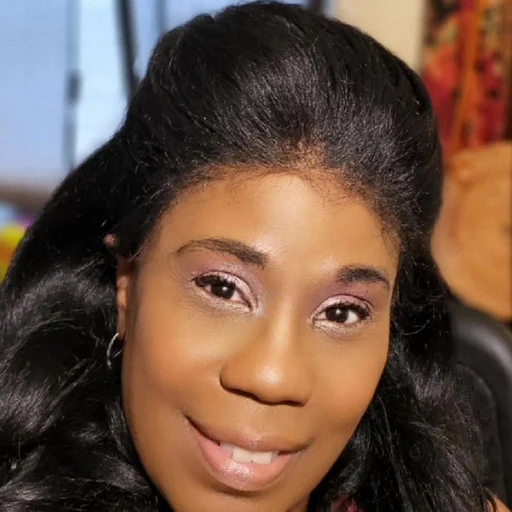
Sabretta Alford is a licensed social worker and a Ph.D. student in Social Welfare at the CUNY Graduate Center. She earned her Bachelor of Arts degree in Forensic Psychology from John Jay College of Criminal Justice, and her Master of Social Work from the Silberman School of Social Work at Hunter College. Her current research interests include improving service delivery outcomes for individuals with intellectual disabilities, as well as their aging caregivers. She is currently the Program Data Analyst for various non-profit agencies. In addition, she serves as the Supervising Social Worker at The Child Center of NY located at Civic Leadership Academy High School. She was instrumental in securing funding for this program between 2014-2020. Sabretta is currently an adjunct instructor at the Silberman School of Social Work, where she developed a course on Intellectual Disabilities in Social Work Practice (SSW79735). She also teaches Social Work Research Methods I & II (SSW 75100). She is dedicated to designing and implementing dedicated coursework in the field of Developmental Disabilities and Social Work.
Course site: Social Work Research Methods I
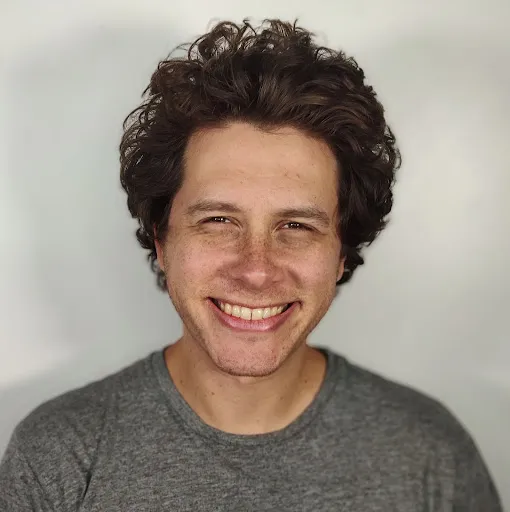
Samuel Novacich is a Ph.D. candidate in anthropology and an adjunct instructor at Hunter College. He has taught courses ranging from Introduction to Anthropology to the History of Anthropological Theory, as well as regional courses focused on Latin America.
Course site: ANTHC 301.5 – Brazil: Race, Class and Gender
Reflection post: Teaching Anthropology with OER
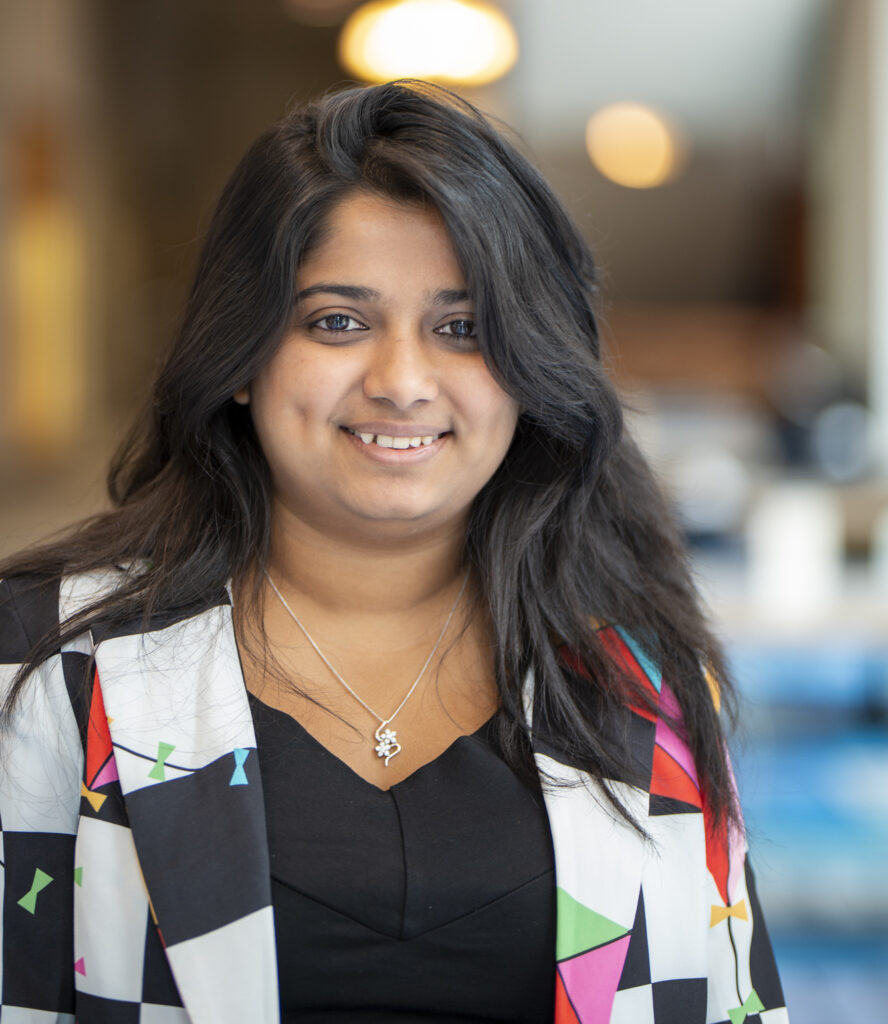
Sayantika Mondal is a Mathematics PhD student at the Graduate Center, CUNY. Her advisor is Ara Basmajian. She is broadly interested in low dimensional topology and geometry. Her current research involves Riemann surfaces, hyperbolic geometry and Teichmuller theory. Her main motivation for doing mathematics is pictures and visualizations so I love anything with pictures!
Course site: Precalculus – MATH12550
Shibanee Sivanayagam (Anthropology)
Course site: Introduction to Anthropology – ANTH 1001
Yingshihan Zhu is a PhD student in Philosophy at the Graduate Center. Her research interests include Social/Political Philosophy, Feminist Philosophy, Epistemology (Social, Feminist, and Decolonial), and Ethics. Shihan is a graduate teaching fellow at Baruch College where she teaches Ethics and Critical Thinking as well as Global Ethics.
Course site: PHI1100: Ethics and Critical Thinking
Reflection post: Imagining An Open Philosophy: Why Is It Important and What Needs to Be Done?
Tania Nicolaou (Comparative Literature)
Course site: ENG 2800 – Great Works of Literature I
William Arguelles is a 6th-year Ph.D. Candidate in English here at the Graduate Center. His Dissertation, Governing Bodies: Queenship, Queerness, and Bureaucracy, focuses on the interconnected lives and afterlives of three fourteenth-century queens of England, alongside historical and literary representations of queenship. William has presented his work at the Modern Language Association, The New Chaucer Society, The International Medieval Congress, The International Congress on Medieval Studies, and is delivering the Keynote lecture at the Pearl-Kibre Medieval Studies Graduate conference this May.
Course site: ENGL 7101 – The Canterbury Tales: “Love, Sex, and Gender”
Reflection post: Opening Up Chaucer through OER and Digital Humanities
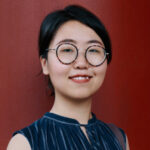
Zhixuan Zhu (Theatre & Performance)
Course site: Performing Asia on the Global Stage
Summer 2023
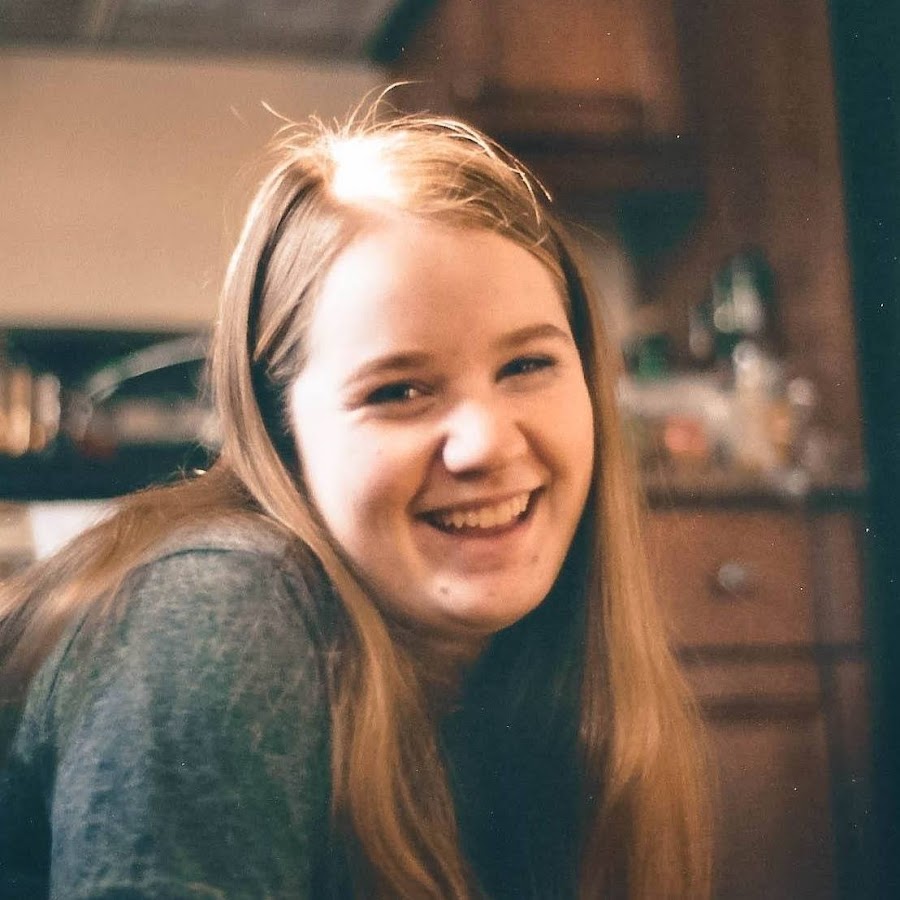
Emma Loerick (Theatre & Performance)
Course site: Great Works of World Literature
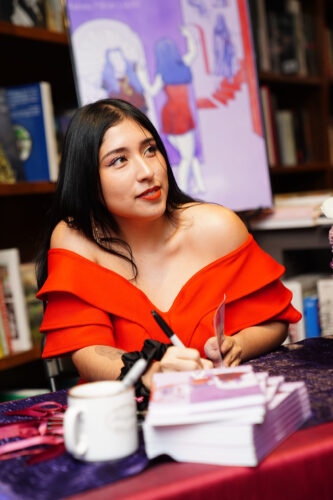
Kelsey Milian Lopez was raised in Miami, Florida. With a strong sense of cultural identity, she has been able to connect and trace her heritage with her Mexican, Guatemalan, Aztec, Zapotec, K’iche Maya, French, German, Spanish, and Japanese roots. She recently graduated with a degree in Sociology and Educational Studies at the Liberal Arts Institution Furman University in Greenville, South Carolina. She now resides in New York City as she pursues a Ph.D. in Ethnomusicology at CUNY Graduate Center.
Course site: Music! It’s Language, History, and Culture
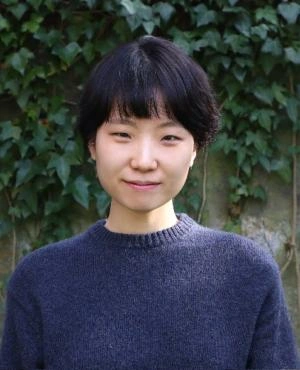
Ju Ly Ban is a Ph.D. student in English at the CUNY Graduate Center and teaches composition at Baruch College. Her research explores Black feminism, Queer kinship, and translation. Currently, she is tracing the work of Korean American artist Theresa Hak Kyung Cha across the East, West Coasts and Korea, engaging with Black feminist legacies including bell hooks and Audre Lorde.
Course site: ENG 2100
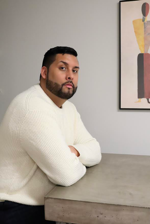
Miguel Rodriguez is a 28 year-old Afro Latino-Filipino, Black, Bronx native. He is currently a doctoral student at the CUNY Graduate Center in the Social Welfare program. Miguel Rodriguez is a trained community organizer and social worker in New York where he utilizing his skills in order to create the change that communities call for.
Course site: SW 747
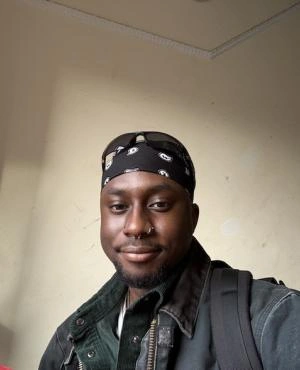
DeVaughn (Dev) Harris is a doctoral candidate studying Composition and Rhetoric. More specifically, DeVaughn studies stand-up comedy, the historical and pedagogical links between academic writing and creative writing, and writing pedagogy. DeVaughn also teaches courses in Composition Studies and Philosophy.
Course site: ENG 2100 – Counterwriting
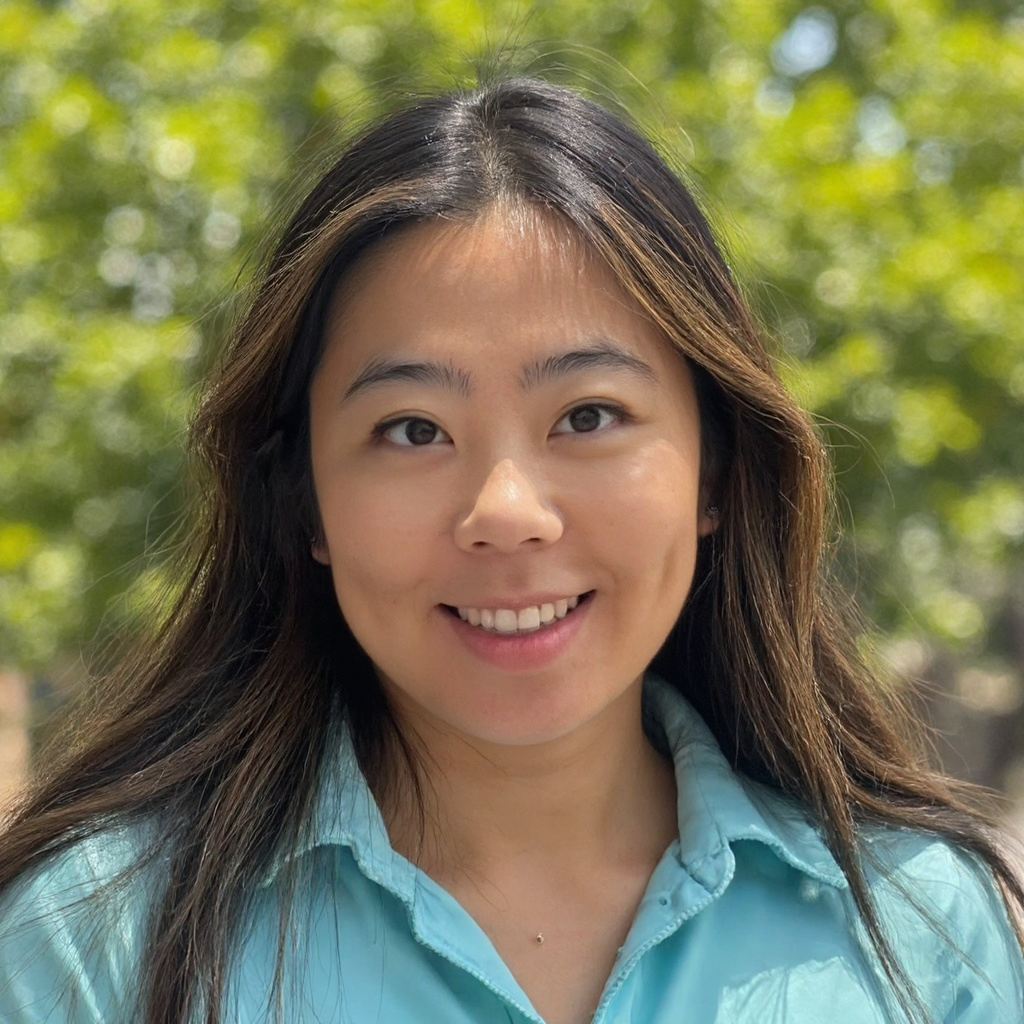
Rui Sun is a job market candidate in the Department of Economics at the Graduate Center, City University of New York (CUNY). She is an applied micro- and financial economist. She has more than four years of teaching and mentoring experience at Baruch College and Columbia University. She is a CFA (Chartered Financial Analyst) Level III candidate (2025).
Course site: Money and Economics
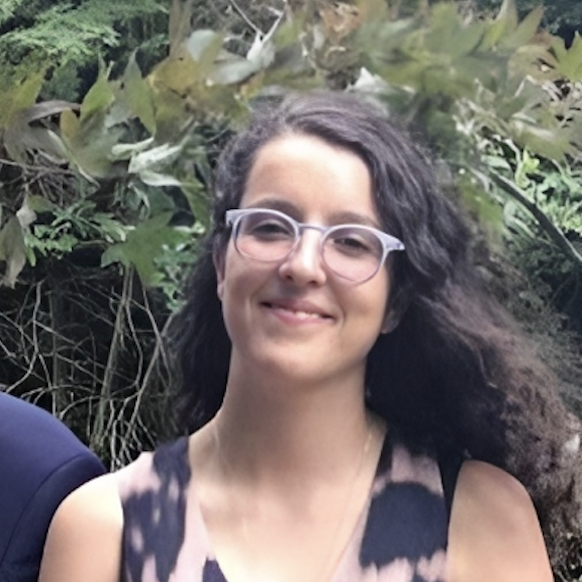
Carol Badre is a PhD student at The CUNY Graduate Center. She is interested in geometric group theory and low-dimensional topology.
She also has some background in knot theory, CAT(0)-cube complexes and trisections.
In the past she has been interested in the interplay between non-positively curved and arboreal spaces and the resulting structure and decomposition of the groups that act on these spaces.
She has previously studied mathematics at The University of Melbourne and The University of Sydney.
She enjoys drawing and visualising mathematics, primarily by hand and also by programming.
Course site: Math 101 – (101.07 and 101.10)
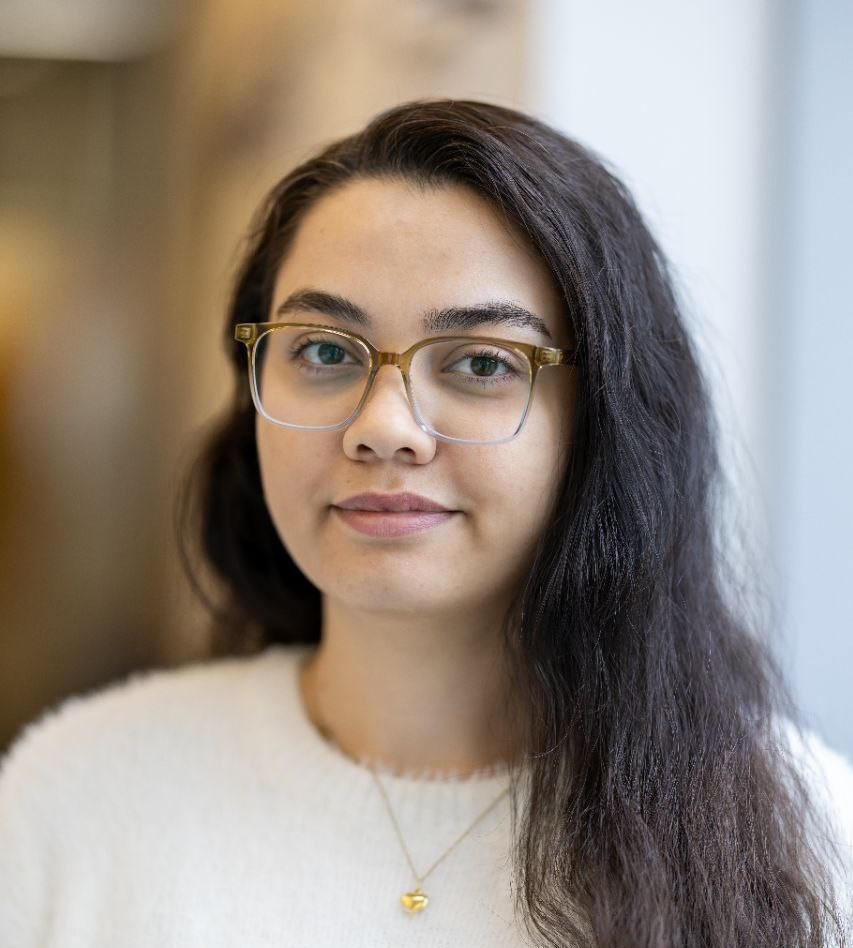
Atena Farahpour completed her B.Sc. in Applied Chemistry and an M.Sc. in Polymer Chemistry, both from Ferdowsi University in Iran. Her focus during her M.Sc. research was on Gene Delivery. She began her Ph.D. in Chemistry at CUNY Graduate Center in 2022 and initiated her research at ASRC (Advanced Science Research Center) and MSK (Memorial Sloan Kettering) in 2023, under the guidance of Professors Rein Ulijn and Daniel Heller. Her current research emphasizes RNA and Drug Delivery using peptides.
Course site: Essentials of General Chemistry Laboratory
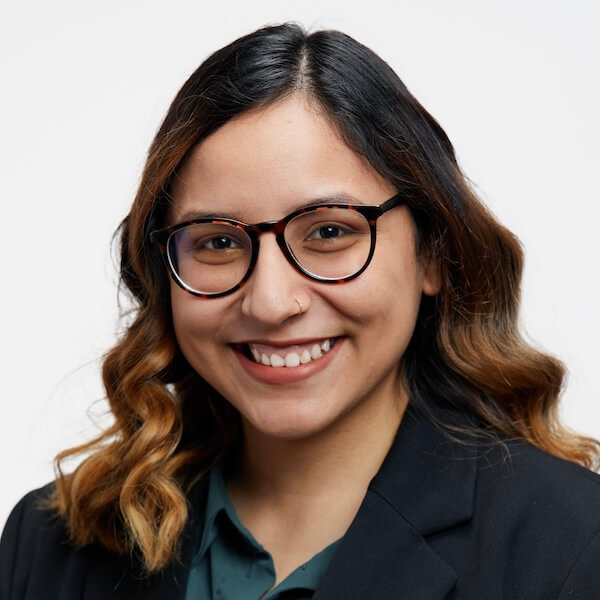
Grace Flores-Robles is a doctoral student in psychology at The Graduate Center, CUNY. She holds a BA from the University of Texas at El Paso, where she majored in psychology and minored in statistics and biology. She is currently a Junior Scholar at the Stone Center on Socio-Economic Inequality and co-founded HICCUP, a group that helps students navigate the Hidden Curriculum in Psychology (hiccup-psych.com). You can find Grace practicing the euphonium or training for her next long-distance run in her spare time.
Course site: Experimental Psychology

Princess Adinkra (French)
Course site: French 1010 – French Language I
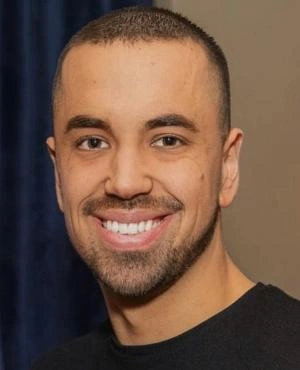
Patryk Tomaszewski has written and presented on Eastern European avant-garde, global realisms, relationship between art and politics under totalitarian regimes, and histories of exhibitions during the Cold War in Europe and the United States. His doctoral dissertation, defended in September 2025, offers the first scholarly examination of state-sponsored exhibitions of art and visual culture in Stalinist Poland (1945–56).
Course site: ART 104 – Survey of Art History II: Renaissance to Modern

Marian Melnyk is a fourth-year PhD candidate in Economics at the CUNY Graduate Center and an Adjunct Lecturer at City College of New York. His primary research fields are Applied Microeconomics and Labor Economics, with secondary interests in Political Economy, Macroeconomics, and Economic History.
Course site: Math for Economics
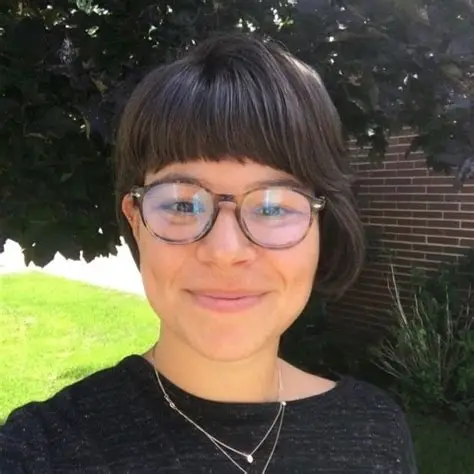
Idil Onen was born and raised in Istanbul, Turkey. She is currently a Ph.D. student at the Graduate Center. After receiving an MA in Comparative History from the Central European University in Budapest, she continued her research in Paris as a visiting research fellow at University of London, Institute in Paris. There, she co-organized a lecture series called: Dis-Placing Politics. She is currently working with a few colleagues on a project to map the destruction and displacement caused by the military operations carried out by Turkey against its Kurdish regions in 2015-2016, focusing particularly on the ancient city district of Diyarbakir, Sur.
Course site: Introduction to Urban Studies
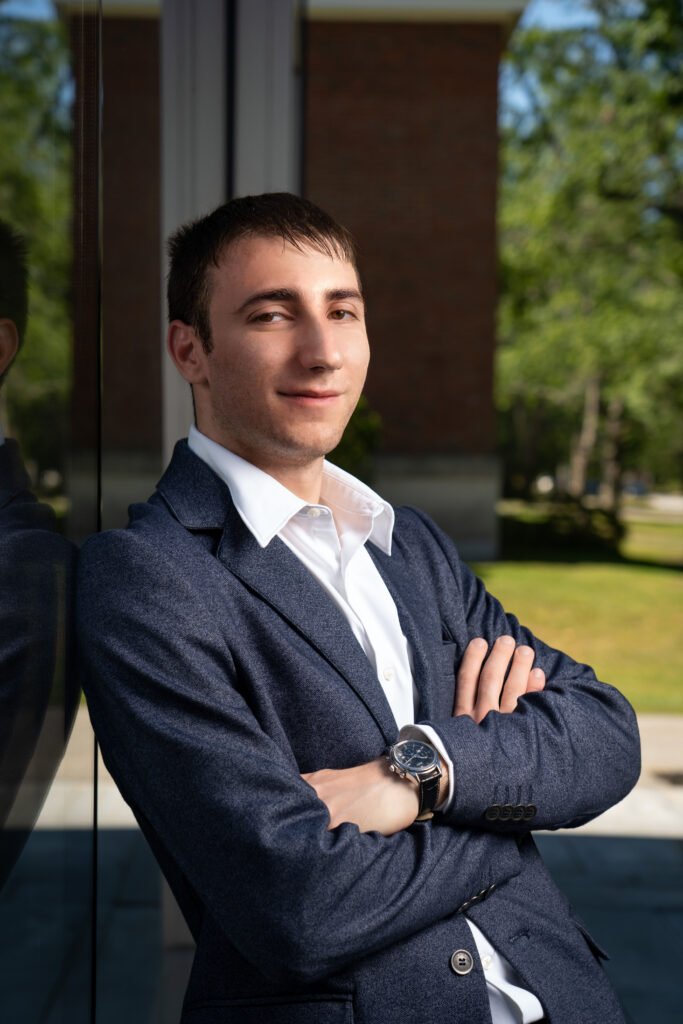
Sami Seif is a Lebanese composer and music theorist praised as “a distinctive compositional voice” who creates “intoxicating and fascinating soundworld[s]” (Carla Rees, Pan Journal of the British Flute Society). His music is inspired by the aesthetics, philosophies, paradigms and poetry of his Middle-Eastern heritage. His work has been described as “very tasteful and flavorful” with “beautiful, sensitive writing!” (Webster University Young Composers Competition). His latest musical concerns center around the phenomenology of time and of differing degrees of focus.
Seif completed his BM, double-majoring in composition and music theory at the Cleveland Institute of Music, where, he was honored with the Donald Erb prize in composition and the Beth Pearce Nelson award in music theory upon graduation. He is currently a doctoral fellow at the CUNY Graduate Center, studying with David Schober and Bruce Saylor. His former teachers include Julia Victorivna Podsekaeva (composition and piano), Roger Bergs (composition), Alan Reese (music theory), and Gerardo Teissonnière (piano).
Course site: Open Music Ressources
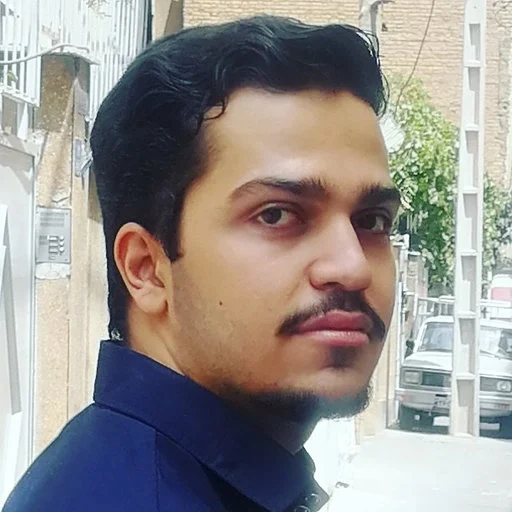
Mohammad Sadeq Mottaqi Dr. MohammadSadeq Mottaqi is a Ph.D. candidate in Biochemistry at the City University of New York, with a background in Biotechnology from the University of Tehran. Proficient in Python and R, Mohammad excels in bioinformatics tools like PyMol and Gromacs. His research spans machine learning-based drug action prediction, molecular dynamics simulations, and protein-ligand interactions. He has published on topics such as SARS-CoV-2 infection responses and cyanobacterial genera identification. Mohammad’s technical prowess extends to data analysis, visualization, and high-performance computing, reflecting his commitment to advancing biotechnological and computational research.
Course site: CHEM 101: General Chemistry
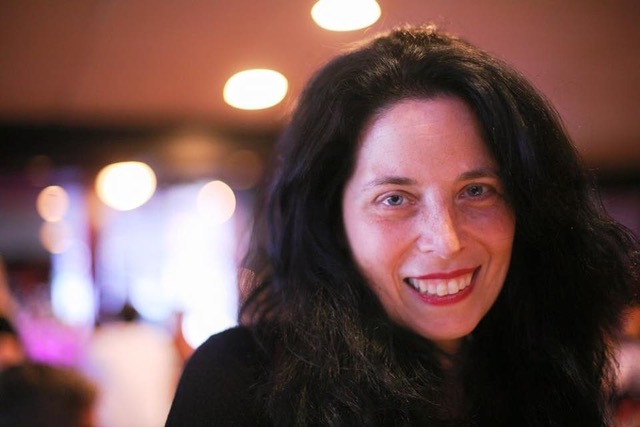
Elyse Singer is a Ph.D. Candidate in Theatre and Performance, with a Film Studies Certificate, at The Graduate Center, CUNY. Her dissertation examines methods for performing female madness across media circa 1900.
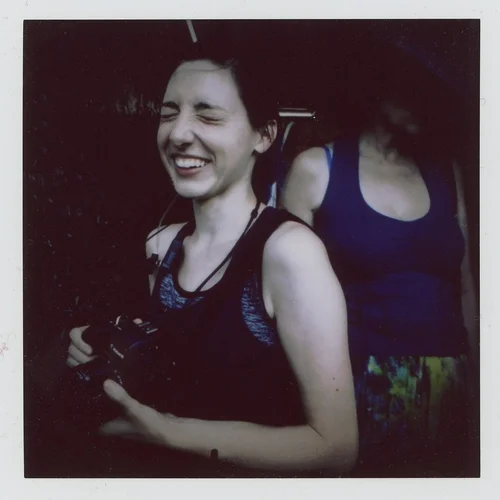
Jessica Bal (she/her) is a researcher, educator, and photographer pursuing a PhD in Art History at The Graduate Center, CUNY, along with a certificate in Interactive Technology and Pedagogy. Her research focuses on documentary ethics, emerging imaging technologies, and visual representations of labor and labor movements. Recently, she spent a summer exploring examples of visual illusion and manipulation in the Morgan Library & Museum’s photography collection and is working on a community memory project about labor organizing in U.S. newsrooms as a Social Practice CUNY Actionist Fellow.
Course site: ARH 141: Intro to the History of Modern Art | 19th and 20th Centuries in Europe and the United States
Peyton Cordero (Political Science)
Course site: Political Science 1001
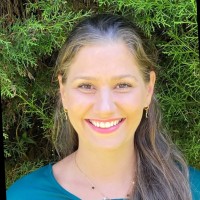
Ligia Tomazin F. Mendonca is a student in Educational Psychology at the Graduate Center, City University of New York (CUNY). Ligia holds a Bachelor’s degree in Linguistics and Literature from UNICAMP, Brazil. She also earned her Masters in Educational Psychology at Hunter College, CUNY. Ligia has nearly a decade experience in the field of English as a foreign language. Her research interests involve assessment, academic emotions, and motivation. She is currently working on investigating the effects of feedback on students’ learning, emotions, and self-efficacy.
Course site: Adolescence
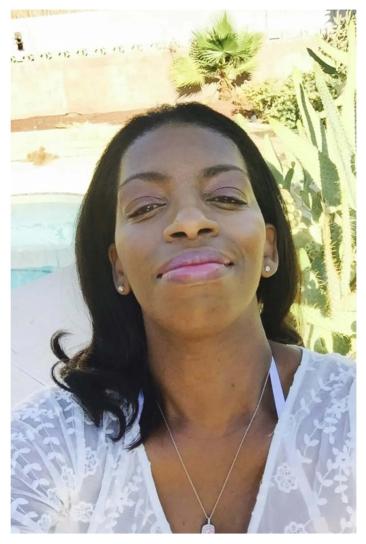
A vocalist and social dancer in AfroLatin and ballroom genres, Leslie K. Haynes is a Ph.D. student in Ethnomusicology at the Graduate Center of the City University of New York, whose current research interests are spawned by the life and career of her father, internationally-acclaimed jazz drummer Roy Haynes, where she examines the intersections of Afrocentric rhythm and dance as cultural expressions of existential freedom (Gilroy, 1993; Etoke, 2022), resistance (Kelley, 2002; 2022), and community-building (Wilson, 1974). Previously, as a language educator at St. John’s University, Leslie engaged international students from various programs like the Brazil Scientific Mobility Program, Friends of Fulbright-Argentina, EducationUSA Academy, as well as several community-based organizations in New York and Cuba, facilitating language acquisition often using music, optimizing linguistic and cultural sensitivity, even with students from as far away as Haiti and Palestine. Leslie has presented her research at the New York State-TESOL Applied Linguistics Winter Conference at Teachers College, the Historic Brass Society’s International Conference, “Making the Jazz Gumbo,” commemorating the music of Lieutenant James Reese Europe, and the VII Symposium of Interconnected Arts and Music Performance presented by the Berklee Global Jazz Institute. As Graduate Teaching Fellow, Leslie has taught, “Music in Global America,” and “Music: Its Language, History, & Culture” at Brooklyn College (2021-2024), and “Intro to Music History: Latin America,” at Fordham (2022, 2024).Leslie earned her B.A., Latin American & Caribbean Studies, Hunter College; M.A.T., Rossier School of Education, USC; and M.A., Jazz History and Research, Rutgers University-Newark.
Course site: Music In Global America
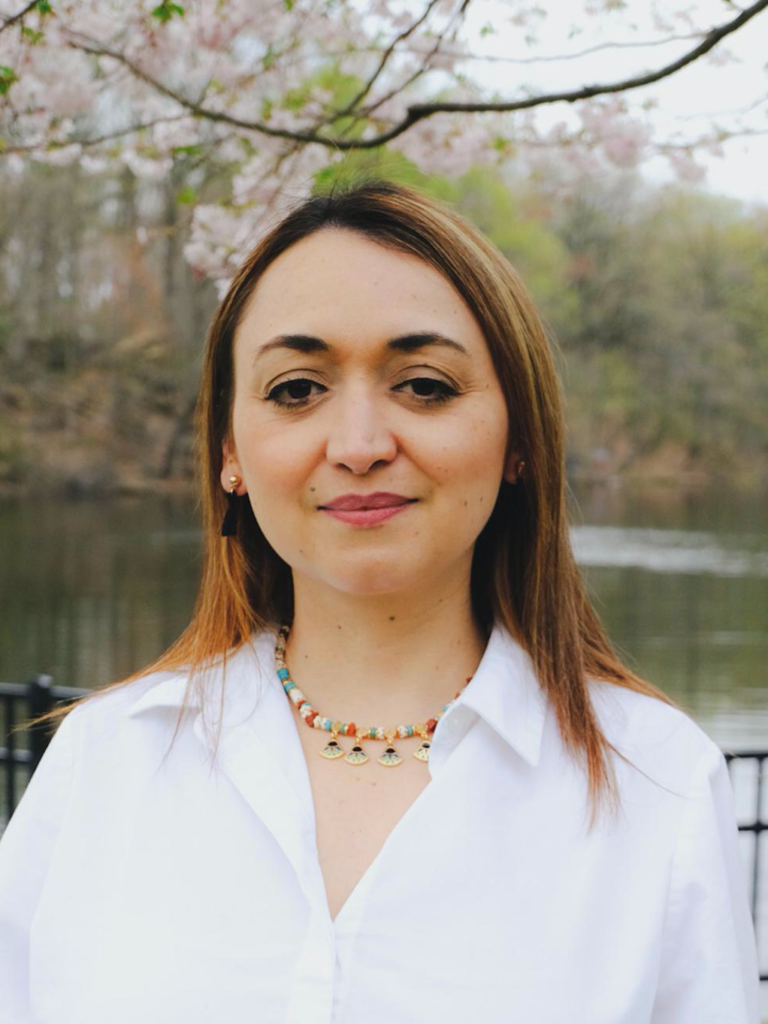
Carolina Lopera-Oquendo is a doctoral fellow student in Educational Psychology at The Graduate Center, City University of New York. She earned a B.A.in Economics, and since 2020 she is studying an M.S. in Quantitative Methods in the Social Sciences Program (QMSS) at the Graduate Center. Her specialization is in Learning, Development, and Instruction.
Her main research interest is understanding how teaching and learning processes may trigger transformations in the educational experience by exploring new approaches and methodologies to design and conduct high-quality and reliable measurements of non-cognitive skills. Additional work and research interests include developing interventions to improve the self-regulated learning process and the intersection of feedback and classroom assessment to develop cognitive and non-cognitive learning outcomes.
Course site: Experimental Psychology General – EPSY 2500
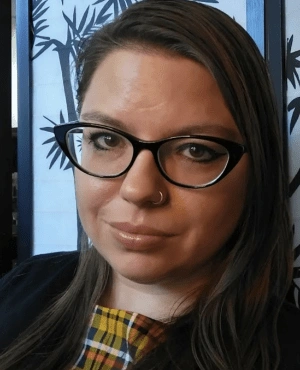
Cortney Berg received a Bachelor of Fine Arts degree in studio arts and a Bachelor of Arts degree in Art History from California State University at Chico in 2014, a master’s degree in art history from Arizona State University in 2020, and she is currently pursuing a PhD in art history at the City University of New York. I am focused on the visual arts of the European medieval period, and I have worked on issues of sex and gender in manuscript images, the intersection between text and image, monstrous depictions, and interactions with the broader global medieval world. I am presently working on a certificate in Africana Studies, which I will almost certainly minor in at CUNY, and in my spare time, I enjoy gaming, crocheting, and chasing my dogs around the yard.
Course site: Art History 1011 Baruch College

